
A Seed Odyssey: Exploring the Nutritional Powerhouses
Seeds, often overlooked, are tiny nutritional powerhouses packed with essential nutrients and health benefits. Let’s delve into the world of some popular seeds and discover their unique properties.
Flaxseed: The Omega-3 Champion
Flaxseeds are a rich source of alpha-linolenic acid (ALA), a type of omega-3 fatty acid. These heart-healthy fats can help lower cholesterol levels and reduce the risk of heart disease. Flaxseeds also contain fiber, lignans (plant-based compounds with antioxidant properties), and protein.
Chia Seed: The Hydration Hero
Chia seeds are known for their ability to absorb water, forming a gel-like substance in the digestive tract. This helps promote satiety and hydration. They are also packed with fiber, protein, and omega-3 fatty acids.
Pumpkin Seed: The Zinc Powerhouse
Pumpkin seeds are an excellent source of zinc, a mineral essential for immune function, skin health, and reproductive health. They also contain magnesium, iron, and protein.
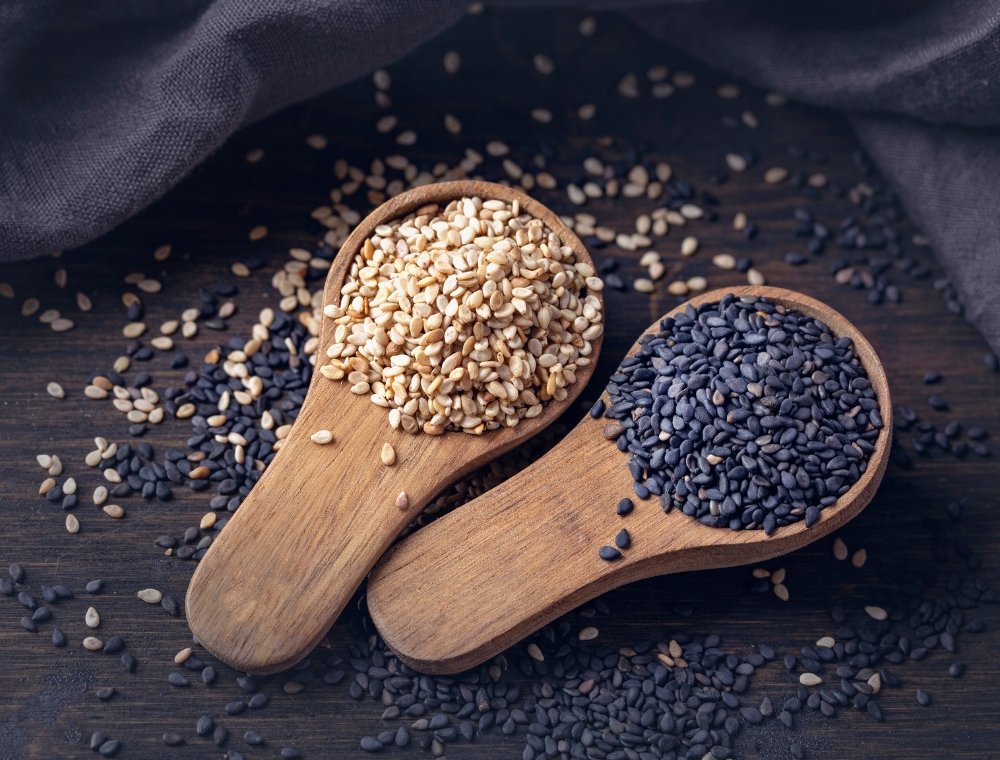
Brown Sesame Seed: The Antioxidant Powerhouse
Brown sesame seeds are rich in antioxidants, including sesamin and sesamolin. These compounds may help protect against cell damage and reduce the risk of chronic diseases. Sesame seeds are also a good source of protein and healthy fats.
Poppy Seed: The Flavorful Tiny Seed
Poppy seeds are often used as a topping for baked goods and breads. They are a good source of fiber and calcium.
Sunflower Seed: The Vitamin E Powerhouse
Sunflower seeds are packed with vitamin E, an antioxidant that helps protect cells from damage. They are also a good source of protein and healthy fats.
Halim Seed: The Ayurvedic Treasure
Halim seeds, also known as fenugreek seeds, are used in Ayurvedic medicine for their medicinal properties. They are believed to help regulate blood sugar levels, improve digestion, and boost lactation.
Goand Katira: The Natural Gum
Goand katira, also known as tragacanth gum, is a natural gum obtained from the stems of certain plants. It is often used as a thickening agent in food and beverages. It is also used in traditional medicine for its soothing and healing properties.
Incorporating Seeds into Your Diet There are many ways to incorporate these seeds into your diet. You can sprinkle them on salads, yogurt, or oatmeal. You can also add them to smoothies, baked goods, or trail mix.
Remember, while seeds are highly nutritious, it’s important to consume them in moderation as they can be high in calories. Consult with a healthcare professional or registered dietitian for personalized advice.




 by
by 


Add comment